Is Bioelectrical Impedance Analysis Right for You? 7 Key Factors to Consider
Discover how Bioelectrical Impedance Analysis can enhance your health monitoring. Learn 7 key factors to consider for accurate body composition insights!
By TANITA US
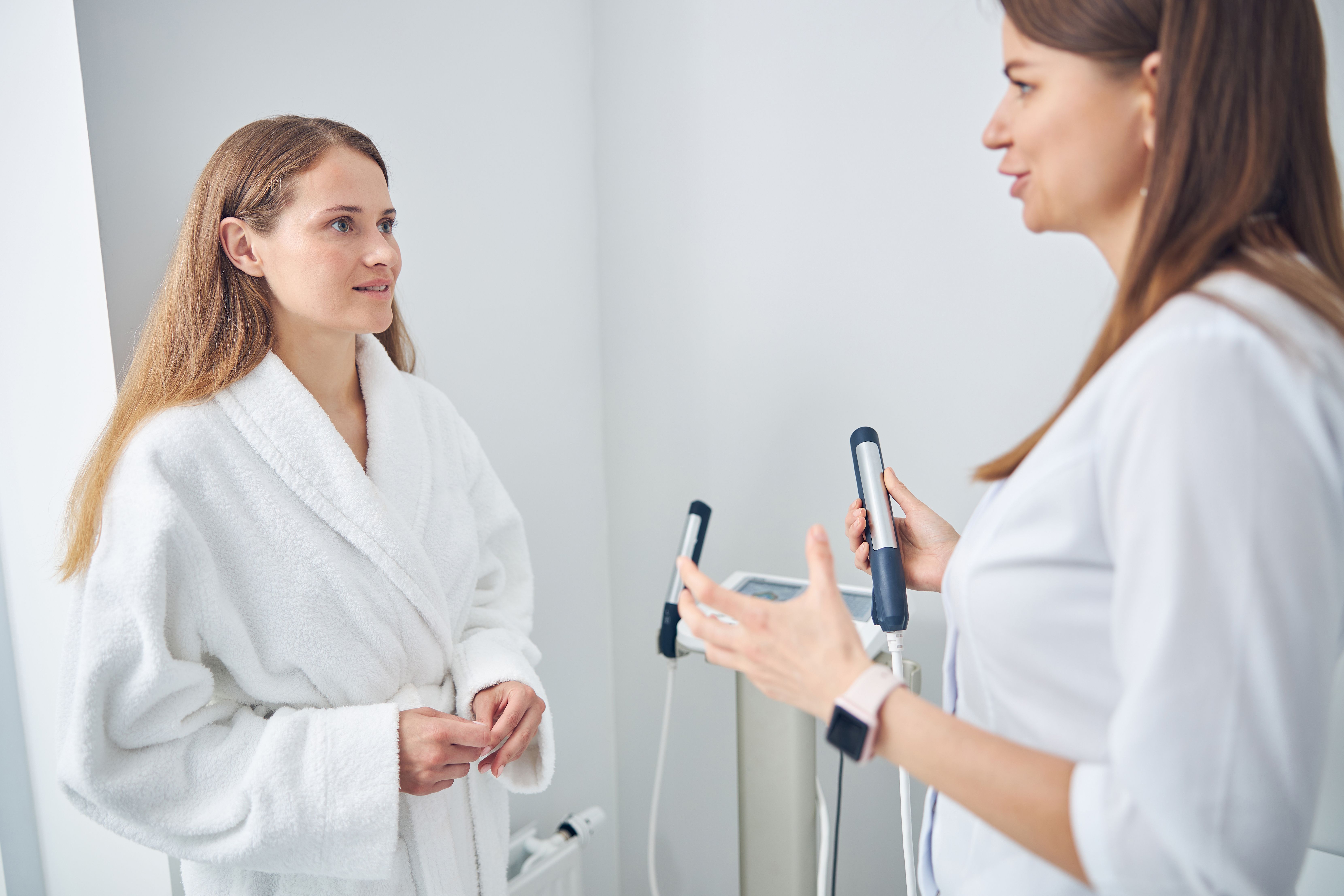
Understanding your health goes beyond watching the number on the scale. Weight alone can’t tell you how much of your body is made up of fat, muscle, or water—and that’s where Bioelectrical Impedance Analysis comes in.
Bioelectrical Impedance Analysis (often referred to as BIA) has become one of the most widely used tools for body composition analysis, showing up in medical offices, gyms, wellness clinics, and increasingly, at home. But while BIA is accessible and convenient, it isn’t perfect—and it isn’t the right solution for everyone.
This guide walks through what Bioelectrical Impedance Analysis is, how it works, its benefits and limitations, and the 7 key factors to consider before deciding if it fits your health goals.
What Is Bioelectrical Impedance Analysis?
Bioelectrical Impedance Analysis is a method used to estimate body composition by measuring how a low-level electrical signal moves through the body.
The concept is simple: different tissues conduct electricity differently. Muscle contains a high amount of water and electrolytes, allowing electrical signals to pass through more easily. Fat tissue contains less water, which slows that signal down. By measuring this resistance—known as electrical impedance—a BIA device can estimate the proportion of fat mass, muscle mass, total body water, and related metrics.
BIA is commonly used in:
- At-home body composition scales
- Professional bioelectrical impedance analysis machines in clinics or gyms
- Research and performance settings
How Does Bioelectrical Impedance Analysis Work?
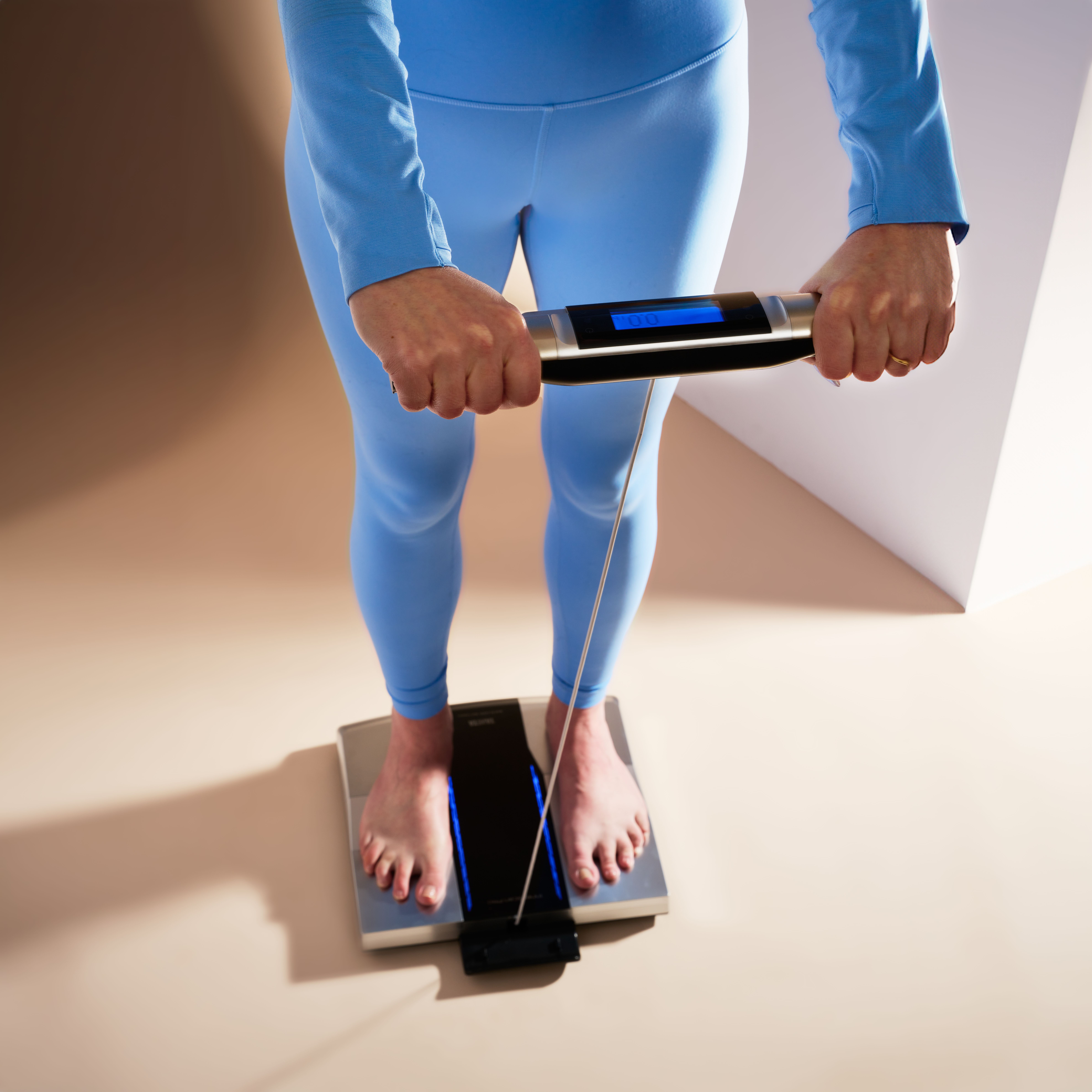
When you step on or hold a Bioelectrical Impedance Analysis (BIA) device, it sends a safe, imperceptible electrical signal through the body. You won’t feel anything, but the device measures how easily that signal moves through your body.
This measurement is known as electrical impedance, or resistance. Different types of tissue—muscle, fat, and water—interact with the signal in different ways:
- Muscle and other water-rich tissues allow the signal to pass through more easily
- Fat tissue, which contains less water, slows the signal down
By analyzing this resistance and the speed of the current as it travels through your body, the device can estimate how much of your body is made up of fat, muscle, and water.
More advanced bioelectrical impedance analysis BIA machines use multiple frequencies and segmental measurements to capture more detailed insights, including differences between the arms, legs, and torso.
Role in Body Composition Analysis
Rather than focusing on weight alone, BIA provides a broader picture of what your body is made of. This makes it especially useful for tracking changes over time—such as fat loss, muscle gain, or shifts in hydration—rather than relying on a single measurement.
Benefits of Using a Bioelectrical Impedance Analysis Machine
Bioelectrical Impedance Analysis has become popular for several reasons, especially when compared to more complex or expensive body composition methods.
A Practical Health Monitoring Device
BIA devices offer an accessible way to monitor body composition trends without medical imaging or lab visits. Many healthcare providers and fitness professionals use BIA as a health monitoring device to support long-term wellness, weight management, and performance tracking.
Convenient Home Testing
At-home BIA scales allow users to measure body composition in seconds. This convenience makes it easier to track progress consistently, which is often more valuable than any single measurement.
For many people, consistency and ease of use are the main reasons BIA fits into daily life.
Accuracy and Limitations of Bioelectrical Impedance Analysis
While Bioelectrical Impedance Analysis is useful, it’s important to understand its limitations—especially when interpreting results.
Factors Affecting Accuracy
BIA measurements can be influenced by several external factors, including:
- Hydration levels
- Recent food or drink intake
- Exercise before testing
- Time of day
- Alcohol consumption
Because BIA is sensitive to body water, changes in hydration can significantly affect results. For best accuracy, measurements should be taken under consistent conditions.
Comparison With Other Body Composition Analysis Methods
Compared to methods like DEXA scans, hydrostatic weighing, or MRI, BIA is less precise—but far more accessible. While advanced imaging methods provide highly detailed results, they are costly, time-consuming, and impractical for regular use.
BIA excels as a trend-tracking tool, not a diagnostic one.
Who Should Use Bioelectrical Impedance Analysis?
Ideal Users
Bioelectrical Impedance Analysis is well-suited for people who want to:
- Track body composition changes over time
- Monitor fat and muscle trends alongside weight
- Support fitness, nutrition, or wellness goals
- Use a convenient, non-invasive measurement method
For these users, BIA offers valuable context that a traditional scale cannot provide.
Those Who Should Avoid It
BIA may not be appropriate for everyone. Individuals who are pregnant or who have certain implanted medical devices should consult a healthcare provider before using a bioelectrical impedance analysis machine.
Additionally, people seeking clinical-grade diagnostics rather than general wellness insights may need more advanced assessment tools.
7 Key Factors to Consider Before Choosing Bioelectrical Impedance Analysis
Before deciding if Bioelectrical Impedance Analysis is right for you, consider the following factors:
- Your primary goal
BIA is best for tracking trends, not diagnosing conditions or delivering exact body fat percentages. - Consistency matters more than precision
Results are most meaningful when taken under the same conditions over time. - Hydration affects results
Understanding this limitation helps prevent misinterpretation. - Device quality varies
Professional and multi-frequency BIA machines generally offer more detailed insights than basic models. TANITA devices, in particular, are known for using clinically validated, multi-frequency technology that supports more consistent and reliable body composition tracking over time. - Ease of use
The best device is one you’ll actually use regularly. - Cost and accessibility
BIA devices range from affordable home scales to advanced clinical systems. - Expectation management
BIA provides estimates—not absolutes—and works best when paired with other health indicators.
Cost and Accessibility
One of the biggest advantages of Bioelectrical Impedance Analysis is its accessibility. At-home devices make body composition analysis affordable and convenient, while professional systems are widely available in gyms, clinics, and wellness centers across the United States.
This range allows users to choose a solution that fits both their budget and their level of detail needed.
Necessary Pre-Test Preparation
For more reliable results, basic preparation is recommended. Testing under similar conditions—such as the same time of day and similar hydration status—helps reduce variability and makes trends easier to interpret.
Final Thoughts
Bioelectrical Impedance Analysis offers a practical, accessible way to understand more about your body than weight alone. While it has limitations, its value lies in consistency, convenience, and long-term tracking.
If your goal is to gain clearer insight into body composition trends and support informed health decisions, Bioelectrical Impedance Analysis can be a useful tool—when used with the right expectations and context.
By TANITA US
TANITA US is the North American division of TANITA Corporation, the global pioneer and industry leader in Bioelectrical Impedance Analysis (BIA) technology. Founded in Japan in 1944, TANITA has more than 80 years of expertise in developing precision measurement tools and remains the world’s most trusted name in body composition assessment, serving medical professionals, researchers, athletes, and health-focused consumers in over 120 countries.