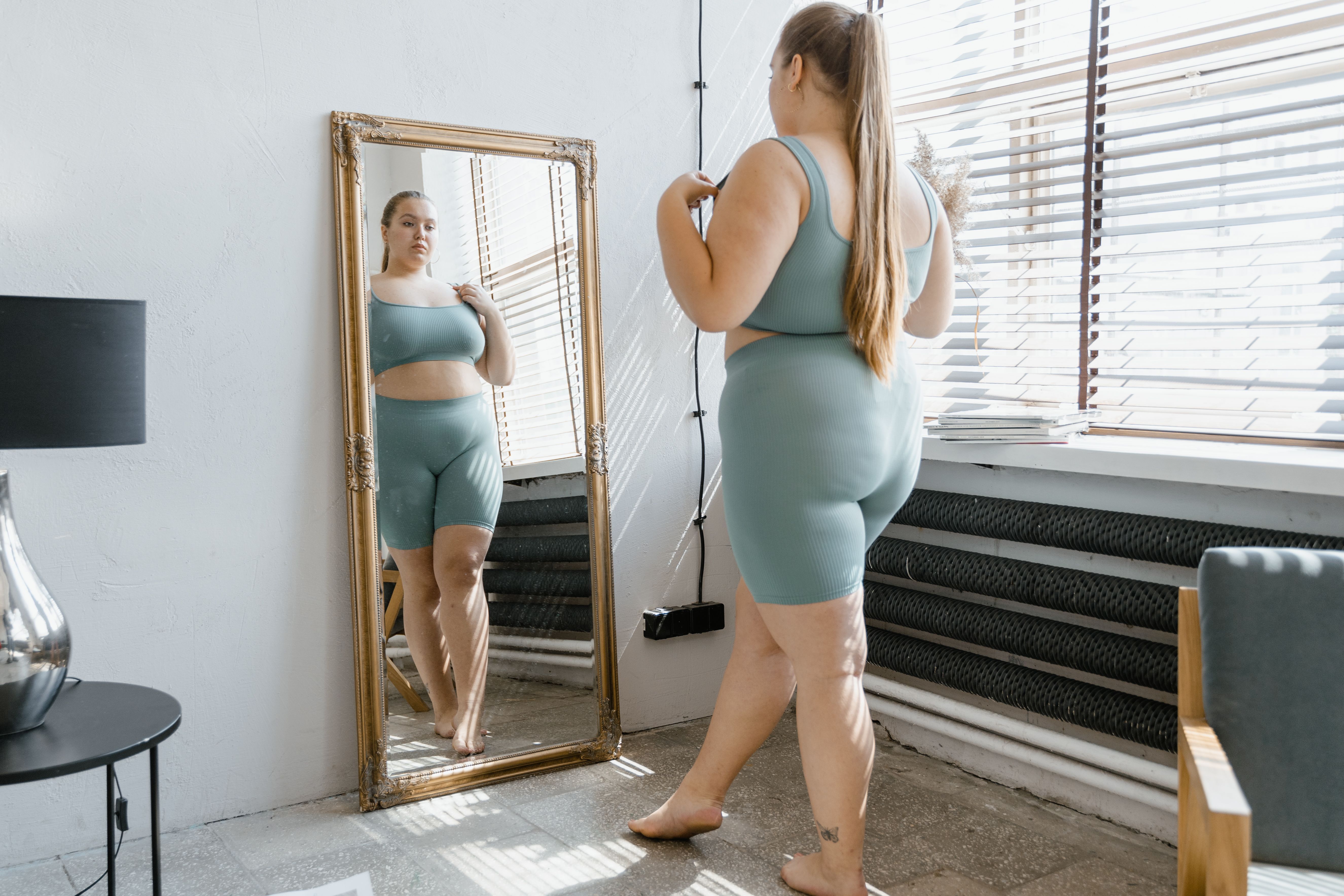
Body Fat Percentage Explained: Why It Matters More Than Weight Alone
Starting a health journey can feel confusing—especially when the scale doesn’t reflect your effort. This guide breaks down body fat percentage and body composition in simple terms, helping you understand what’s really changing in your body.
By TANITA US
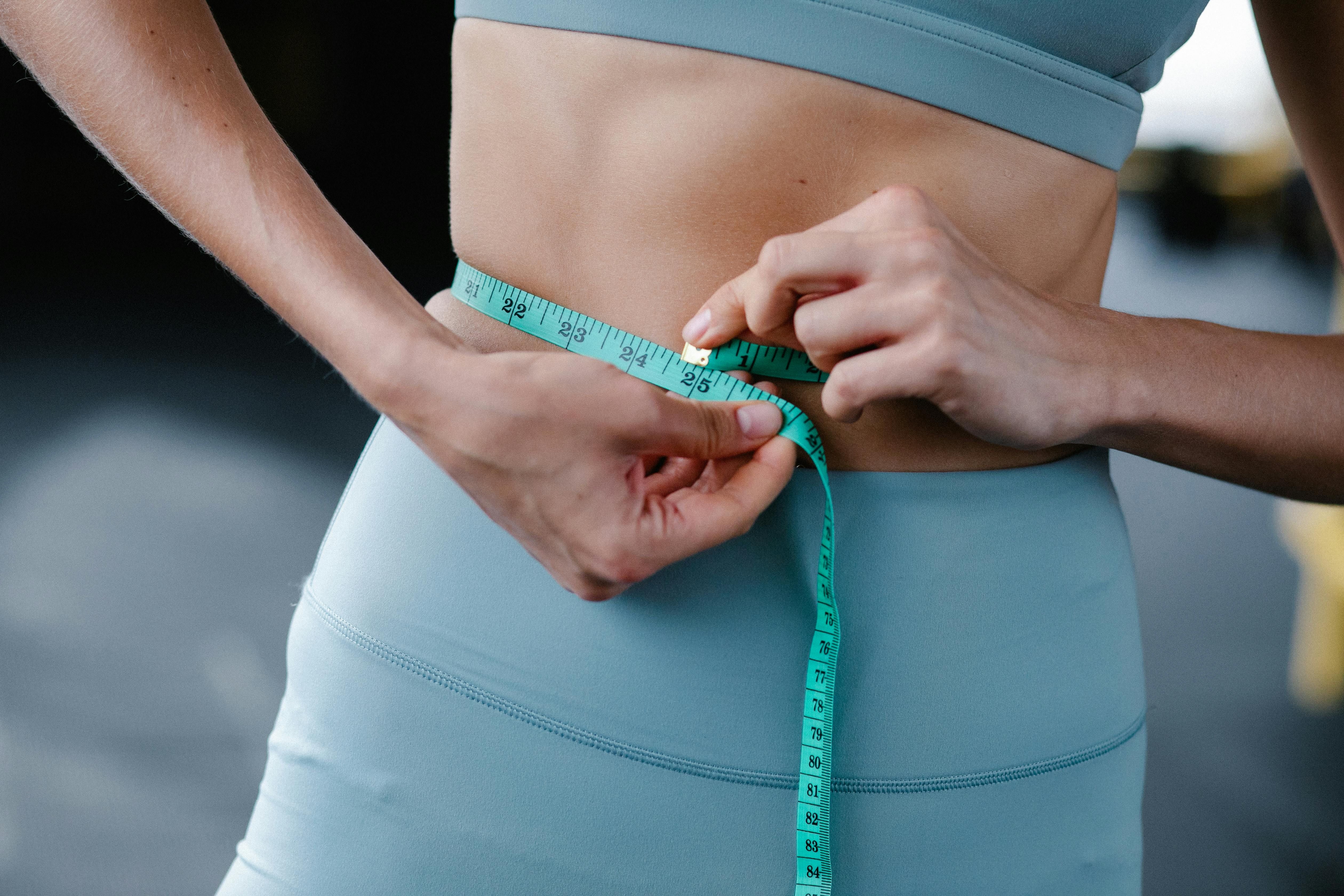
Most people begin their health journey by stepping on a scale. The number goes up or down, and we decide how we feel about our progress based on that single measurement.
But here’s the truth: your body is more complex than one number can explain.
Weight alone doesn’t tell you what your body is made of—or whether the changes you’re seeing are actually moving you toward better health. That’s where body fat percentage comes in.
Weight Is Square Footage. Body Composition Is the Blueprint.
Imagine trying to understand a house by knowing only its total square footage.
That number tells you how big the house is, but nothing about how it’s built, leaving questions like:
- How many rooms does it have?
- How the space is used?
- Is it structurally sound?
- What materials are used?
- Is it in a livable condition?
Your body weight works the same way.
The scale gives you a total. Body composition shows how that total is distributed — fat, muscle, bone, and water — and how those pieces work together to support your health.
What Is Your Body Actually Made Of?
Your total body weight is made up of several components, each with a different purpose and impact on your health. While at-home TANITA Bioelectrical Impedance Analysis (BIA) devices can measure 10–15 body composition metrics (with professional models capable of measuring 30+), the measurements below are the ones most commonly tracked when people are just starting their health and fitness journeys:
- Body fat plays an essential role in the body. It helps regulate hormones, stores energy, and protects vital organs. However, when body fat levels become too high—especially visceral fat stored deep in the abdomen—it can increase the risk of chronic conditions like heart disease, type 2 diabetes, and metabolic issues. Understanding how much body fat you carry is far more useful than knowing your weight alone.
- Muscle mass supports strength, balance, mobility, and metabolism. Muscle tissue also plays a major role in how your body processes glucose and burns energy. As you become more active or begin strength training, you may gain muscle—which can increase scale weight even as your health improves. This is one of the most common reasons people feel confused or discouraged when relying only on the scale.
- Bone mass provides structure and protection for your body. Bone weight changes slowly over time and varies based on age, genetics, sex, and physical activity. While it’s not something you can dramatically change day to day, it still contributes to your overall body composition.
- Total body water includes all the fluid inside and outside your cells. Hydration levels can fluctuate daily due to factors like salt intake, exercise, hormones, stress, and sleep. These fluctuations often cause short-term weight changes that have nothing to do with fat gain or loss.
When you step on a traditional scale, all of these components are lumped together into one number—without any explanation.
Why Weight Alone Can Be Misleading
Because the scale can’t distinguish between fat, muscle, bone, and water, it often tells an incomplete—or even misleading—story.
Two people can weigh exactly the same and have completely different health profiles. One may have higher muscle mass and lower body fat, while the other carries more fat and less muscle. Their weights match, but their bodies—and health risks—do not.
This is also why:
- Weight can stay the same while your body changes significantly
- Weight can increase even when you’re getting healthier
- Weight can decrease without meaningful improvements in health
Body fat percentage provides the missing context.
Not All Weight Gain (or Loss) Means the Same Thing
We often assume:
- Weight gain = unhealthy
- Weight loss = healthy
In reality, what you gain or lose matters far more than the number itself.
Someone can lose weight by losing muscle, which may slow metabolism and increase future health risks. Another person may gain weight by building muscle, improving strength, insulin sensitivity, and long-term wellness.
This is why body fat percentage is such a powerful metric—it helps you understand what is changing, not just that something changed.
Why Body Fat Percentage Is So Useful for Beginners
If you’re just starting your health journey, body fat tracking gives you clarity early on.
It helps you:
- Focus on fat loss instead of obsessing over scale weight
- Understand how exercise and nutrition affect your body
- See progress even when the scale doesn’t move
- Avoid common frustrations that lead people to give up
- Build healthier habits based on real feedback
Instead of guessing, you begin learning how your body responds—and that knowledge is incredibly empowering.
Turning Information Into Action
Body composition tools, like TANITA body composition monitors, use Bioelectrical Impedance Analysis (BIA) to estimate body fat and related metrics quickly and non-invasively.
When measurements are taken consistently, body fat data becomes a guide—not a judgment. Over time, it helps you connect the dots between your habits and your results, making it easier to adjust your approach with confidence.
The Takeaway: Progress Makes More Sense When You Understand Your Body
The scale shows a total. Body composition shows the story behind it.
When you understand what your body is made of, health stops feeling like guesswork and starts feeling intentional. You’re no longer chasing a number—you’re learning how to support your body, one informed decision at a time.
And that’s where real, sustainable progress begins.
By TANITA US
TANITA US is the North American division of TANITA Corporation, the global pioneer and industry leader in Bioelectrical Impedance Analysis (BIA) technology. Founded in Japan in 1944, TANITA has more than 80 years of expertise in developing precision measurement tools and remains the world’s most trusted name in body composition assessment, serving medical professionals, researchers, athletes, and health-focused consumers in over 120 countries.