The Holiday Hydration Guide: Why Water Matters More in Winter
Stay hydrated this winter with TANITA’s Holiday Hydration Guide. Learn why dehydration is more common in cold weather, how it impacts metabolism, energy, and body composition, and get simple, science-backed hydration tips to support winter wellness. Discover how tracking total body water with a TANITA scale can help you maintain consistent health habits all season long.
By TANITA US
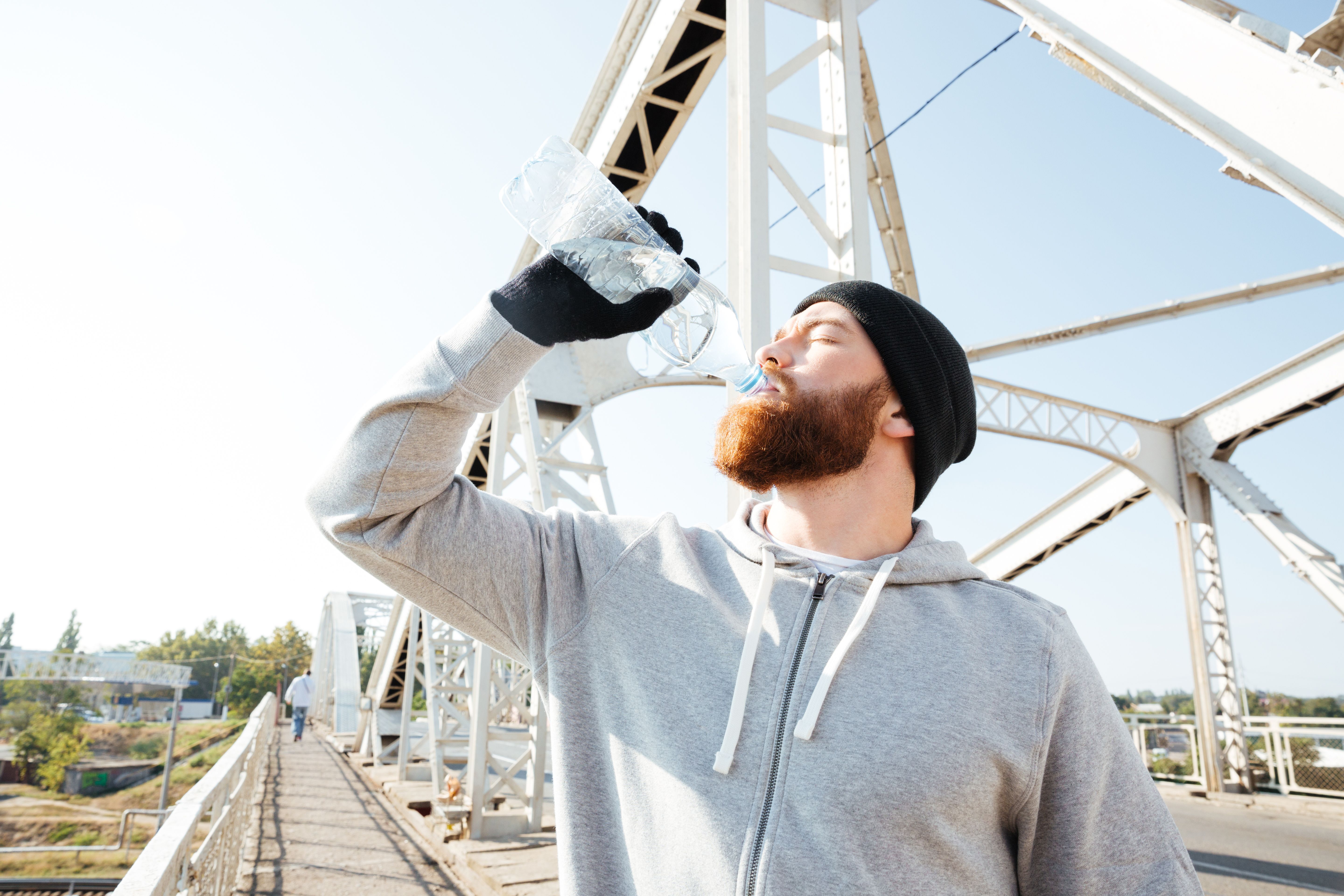
When most people think about dehydration, they picture hot summer runs, sweaty workouts, and tall bottles of ice water. But winter quietly creates one of the highest-risk seasons for dehydration—especially during the holidays when routines shift, indoor heating dries the air, and travel disrupts daily habits.
Research shows that hydration status directly affects energy, metabolism, digestion, and even body composition—all key areas for anyone pursuing healthier habits or weight-management goals. At TANITA, years of working with endurance athletes (including data and performance insights from TANITA’s Ironman partnership) have proven just how profoundly hydration impacts recovery, muscle quality, and overall well-being.
Really important quote about hydrating lorem ipsum dolor emet sit.
TANITA_HYROX_Project_Charter.do…
This guide breaks down why winter hydration matters, how dehydration happens even when you’re not sweating, and the simple steps you can take to stay well-hydrated all season long.
Why You’re More Likely to Get Dehydrated in Winter
1. Cold Weather Blunts Thirst Signals
In cold environments, your body naturally reduces its thirst response by up to 40%. You simply feel less thirsty, even if you’re losing just as much fluid as you would in warmer months.
2. Dry Indoor Heating Accelerates Water Loss
Heated indoor air dramatically increases transepidermal water loss—water evaporating from your skin without you noticing. If your home, gym, or office feels dry, your hydration levels are likely dropping.
3. Holiday Travel Disrupts Routines
Flights, long drives, and irregular schedules lead to:
- Less water intake
- More caffeine
- More salty and sugary holiday foods
- Fatigue and bloating that mimic hydration issues
4. Winter Clothing Increases Sweat
Heavy coats, boots, gloves, and layers can make you sweat more than you realize during errands or outdoor activities—especially with temperature shifts between indoors and outdoors.
Why Hydration Matters More for Metabolism, Energy & Body Composition
Hydration supports metabolic efficiency
Even mild dehydration (1–2%) can slow metabolism, reduce energy levels, and increase perceived exertion during workouts.
Water affects body composition measurements
Because bioelectrical impedance analysis relies on water distribution in the body, fluctuating hydration can influence readings such as:
- Body fat percentage
- Muscle mass
- Total body water
- Basal metabolic rate
Consistent hydration = more reliable tracking.
Muscles are ~70% water
Hydrated muscle tissue performs better, recovers faster, and maintains higher quality—critical for anyone exercising during the holidays or starting a New Year’s resolution plan.
Hydration impacts digestion & appetite regulation
Many winter “hunger” signals are actually dehydration signals. Drinking water before meals can support better portion control and digestion, especially during heavier holiday meals.
What Elite Athletes Can Teach Us About Winter Hydration
TANITA’s performance data from endurance athletes—particularly from our multi-year partnership with Ironman—confirmed that hydration status correlates strongly with performance, recovery, and overall body composition stability.
During the Ironman partnership years, TANITA measured thousands of athletes and consistently found that those who maintained optimal hydration patterns performed better and showed more stable body composition measurements over time.
TANITA_HYROX_Project_Charter.do…
What does this mean for everyday people?
You don’t need to be an Ironman athlete to benefit.
Consistent hydration during winter supports:
- Better energy & mental clarity
- More accurate body composition readings
- Improved workout performance
- Faster muscle recovery
- Balanced appetite and cravings
- Overall metabolic health
How Much Water Do You Really Need in Winter?
A simple rule of thumb:
Aim for half your body weight in ounces of water per day.
(Example: A 160-lb person ≈ 80 oz/day)
Increase intake if you:
- Exercise regularly
- Travel by air
- Spend time in dry indoor environments
- Drink alcohol or caffeinated beverages
- Eat salty holiday foods
Winter Hydration Tips That Make a Real Difference
1. Start Your Day With Water, Not Coffee
Drink 8–12 oz of water before caffeine to offset dehydration.
2. Drink Warm Water or Herbal Tea
Warm beverages feel more appealing in cold months and help maintain fluid intake.
3. Track Your Water Intake
Hydration tracking apps—or daily routines like drinking a glass before each meal—help build consistency.
4. Add Electrolytes (Occasionally)
You don’t need sports drinks daily, but electrolyte packets are helpful for:
- Workouts
- Sweaty winter gear
- Long travel days
- Alcohol recovery mornings
Choose low-sugar options.
5. Pair Hydration With Meals
Instead of sipping mindlessly, hydrate intentionally:
- 1 glass before meals
- 1 glass after meals
This improves satiety & digestion.
6. Eat Hydrating Foods
Winter hydration isn’t just liquid. Add more:
- Citrus
- Soups & broths
- Cucumber
- Berries
- Spinach
- Greek yogurt
7. Monitor Total Body Water Regularly
This is where a TANITA scale makes winter wellness easier.
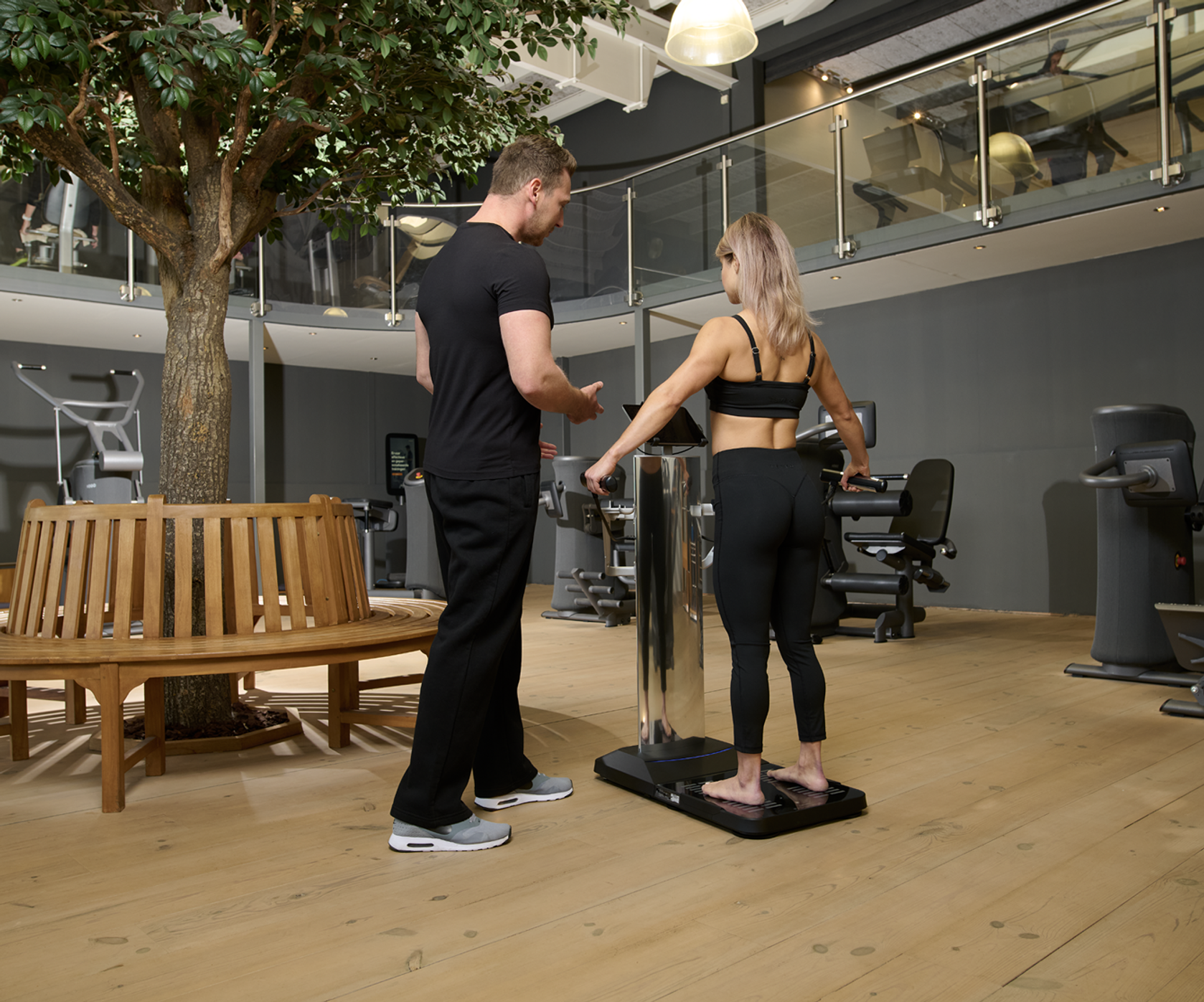
Using a body composition monitor allows you to track total body water along with other metrics to see trends over time—helping you understand whether fatigue, bloating, or slow recovery might be hydration-related.
How TANITA Helps You Stay Hydrated All Winter
TANITA’s body composition monitors provide:
- Total Body Water %
- Muscle Mass
- Basal Metabolic Rate
- Fat Mass
- Segmental Balance (on advanced models)
Hydration levels are a foundational metric for:
- Weight loss
- Metabolism
- Athletic performance
- Recovery
- Overall well-being
Just like the elite athletes TANITA measured during the Ironman partnership, consistent tracking gives you clearer insight into your body and helps you stay accountable during holiday months.
Final Thoughts: Small Hydration Habits → Big Winter Health Impact
Winter dehydration happens quietly—but its effects show up everywhere: energy, mood, metabolism, digestion, performance, and holiday wellness goals.
By staying consistently hydrated and using tools like TANITA body composition monitors to track total body water, you can:
- Support your fitness goals
- Maintain metabolic efficiency
- Improve workout performance
- Manage holiday eating
- Enter the New Year feeling better, not behind
By TANITA US
TANITA US is the North American division of TANITA Corporation, the global pioneer and industry leader in Bioelectrical Impedance Analysis (BIA) technology. Founded in Japan in 1944, TANITA has more than 80 years of expertise in developing precision measurement tools and remains the world’s most trusted name in body composition assessment, serving medical professionals, researchers, athletes, and health-focused consumers in over 120 countries.