Hydration & Heat Acclimation: How to Perform Your Best in Hot, Humid Races
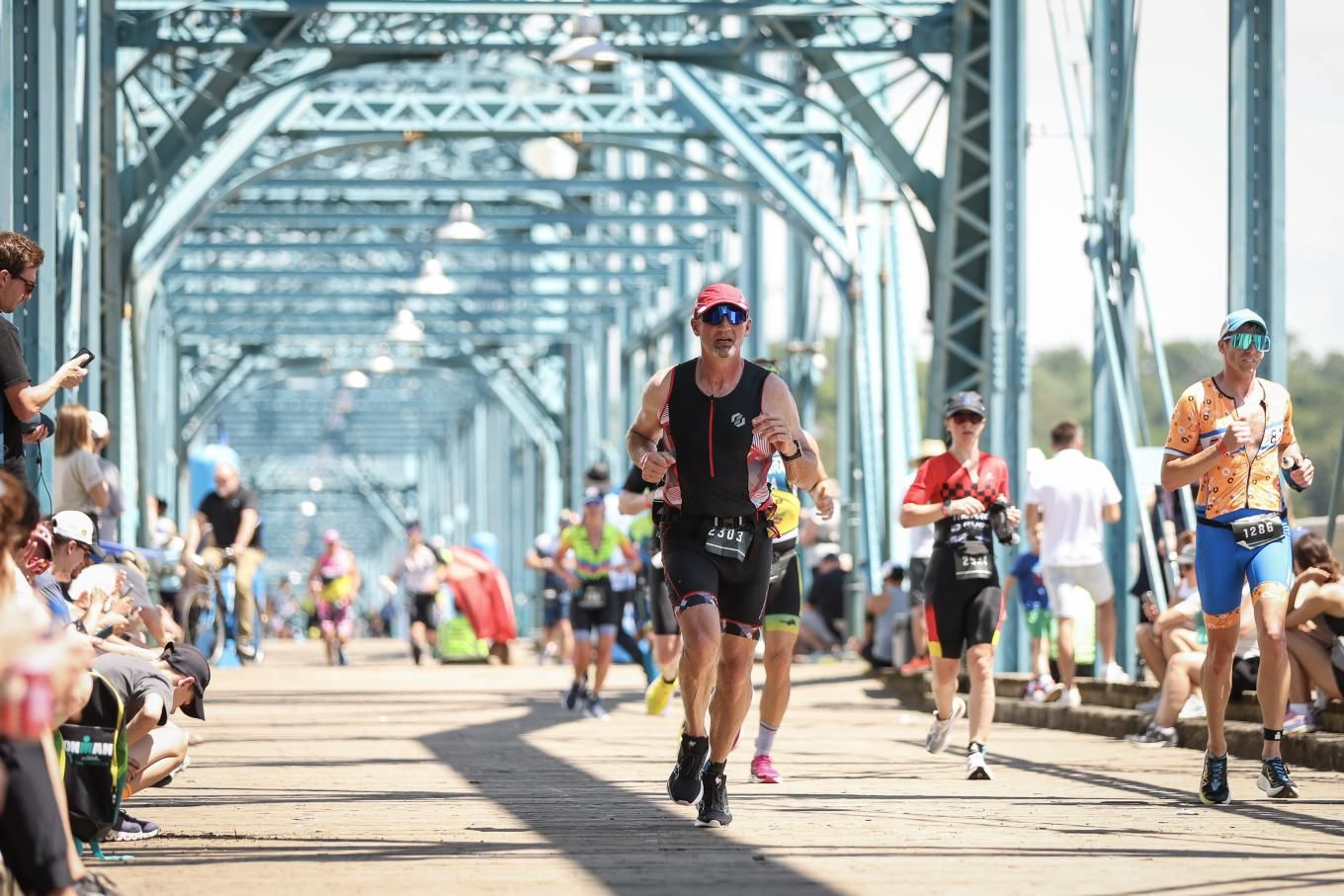
Data from 1,782 athletes at the 2008 Ironman Louisville revealed a clear connection between pre-race hydration and finish-line success—especially in extreme heat and humidity. Using TANITA body composition scales, researchers found that athletes with higher total body water were far more likely to finish strong, while dehydrated competitors were more likely to fall into the slowest groups or DNF. This article explains the science behind hydration, how fluid loss impacts performance, how to calculate your personal sweat rate, and how to build a 14-day heat-acclimation protocol for hot-weather racing. You’ll also learn how TANITA’s research-grade BIA technology helps athletes track hydration and total body water with precision—making it an essential tool for Ironman, triathlon, and endurance training.
By TANITA US
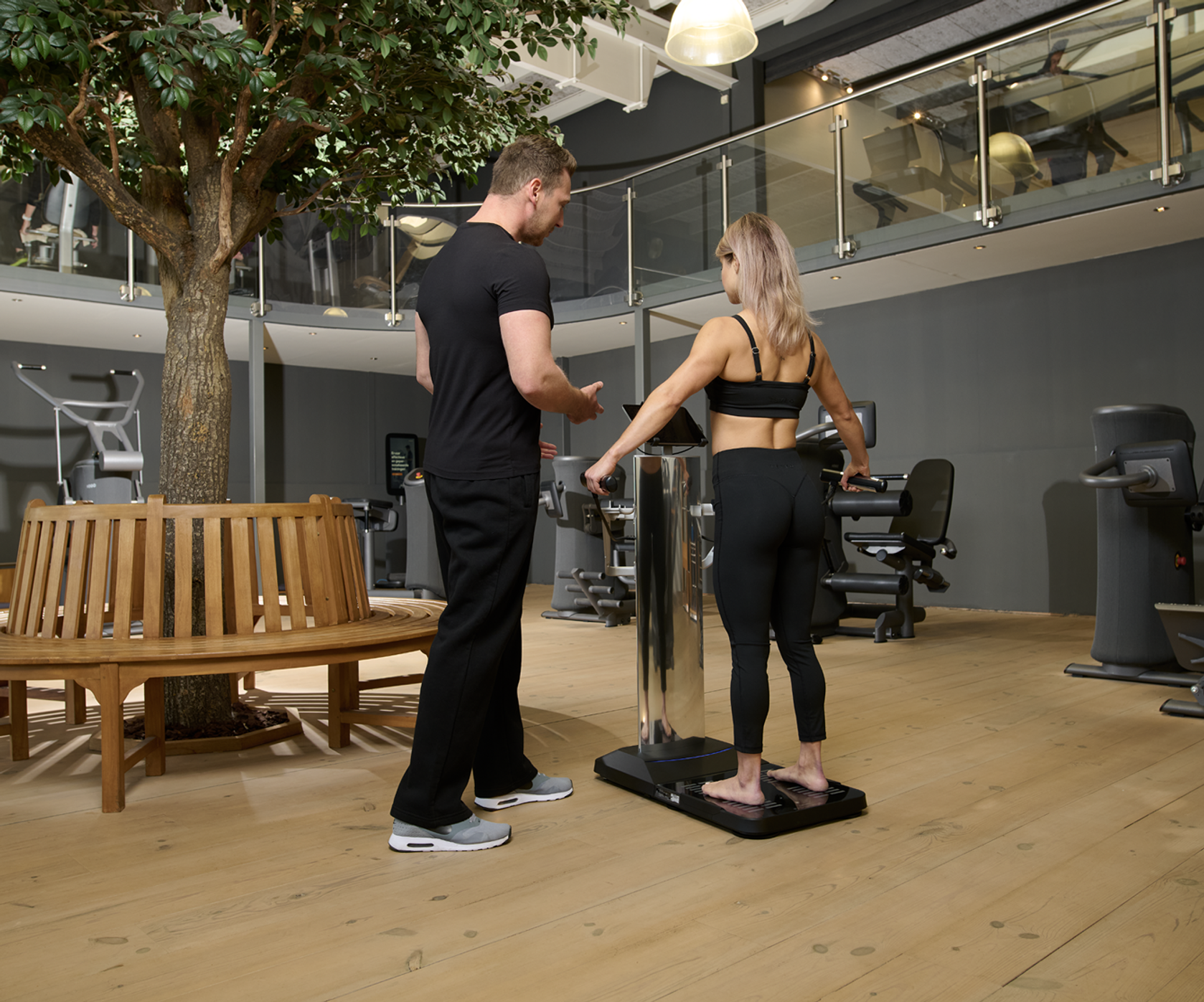
During athlete check-in at the 2008 Ironman Louisville, 1,782 competitors stepped onto a TANITA body composition scale to estimate hydration. The aggregated data revealed a strong link between higher pre-race hydration and finish rates—especially in hot, humid conditions. This guide explains why hydration matters, how to measure sweat loss, and how to build a practical heat acclimation plan for race day.
Key Findings from Ironman Louisville (2008)
- Men: Hydration ≥ 65% → 97.78% finished; hydration < 55% → finished in bottom 18% or DNF.
- Women: Hydration ≥ 60% → 92.5% finished; hydration < 50% → finished in bottom 13% or DNF.
Source: Athlete check-in hydration estimates using TANITA scale, Ironman Louisville (n=1,782).
Why Hydration Matters
The average adult carries ~85 lb (≈38.5 kg) of water, over 60% of which is inside cells. In hot/humid exercise, extracellular water is rapidly depleted and intracellular water follows to compensate. As cellular dehydration progresses, performance declines and risk escalates:
- 3% fluid loss: noticeable performance decline.
- 5% fluid loss: concentration suffers.
- 10% fluid loss: severe drop in consciousness.
- ≈11% fluid loss: potentially fatal.
Dehydration also reduces blood volume (cooling capacity, oxygen/glucose delivery) and accelerates electrolyte loss, contributing to cramping and impaired muscle contraction.
Hot-Weather Race Conditions (e.g., Kona)
- Typical race-day temps: 82–95°F (28–35°C); humidity ~90%.
- Typical sweat rate: ≥1 L/hour (can reach 2 L/hour).
- Sodium loss: ~800–900 mg/L of sweat → heavy sweaters may lose ~2 g sodium/hour (plus calcium, magnesium, potassium).
How to Measure Your Sweat Loss
- Weigh yourself nude before exercise.
- Do a 2-hour training session in race-like heat/humidity (or controlled environment).
- Track all fluids consumed during the session.
- Weigh yourself nude after exercise.
Total fluid loss = (Pre-weight − Post-weight) + fluids consumed. Example: Pre 150 lb → Post 148 lb (loss 2 lb = 32 oz); drank 50 oz → total loss = 82 oz.
- Replace ~40–50% of ongoing fluid loss at regular intervals during exercise.
- Upper practical absorption limit ≈ 33 oz/hour (~1 L/hour). Exceeding this risks water intoxication.
- Aim to limit net fluid loss to ≤2% of body mass during sessions.
Note: Ultra-long sessions (>5–6 hours) may include additional body-mass loss from energy stores.
14-Day Heat Acclimation Plan
Goal session length: 60–90 minutes, simulating race-day heat/humidity as closely as possible.
- Start ~14 days pre-race.
- For cool-climate athletes: train indoors with a radiating heat fan and/or humidifier; consider sauna/steam sessions.
- Practice fluid absorption at your target intake and consume electrolytes (Na, K, Mg, Ca) at set intervals.
- Clothing: a non-breathing cotton base with a nylon shell can increase humidity if no humidifier is available.
Final week: hydrate to at least ~2 L/day; maintain electrolytes (salt caps/tablets, oral/topical magnesium, trace minerals).
Race-Day Cooling & Intake
- Pre-start: Drink ~20–25 oz/hour leading up to the gun, then taper intake ~30 minutes before the swim.
- On-course cooling: frequent skin/clothing exposure to ice/cold water, vented/mesh apparel, visor + sunglasses.
- Nutrition notes: avoid heavy sunscreen layers (can reduce sweating efficiency) and limit heavy food intake in the heat.
Benefits of acclimation: lower core temperature, heart rate, salt loss, and RPE; higher exercise tolerance, cooling capacity, and blood volume.
Frequently Asked Questions
How do I know my personal fluid target?
Your ideal fluid intake depends on your individual sweat rate, which varies with heat, humidity, body size, pace, and acclimation level. The most accurate way to determine this is through a sweat-loss test, as described in the article:
- Weigh yourself nude before training.
- Do a workout in race-like heat/humidity for 60–120 minutes.
- Track exactly how much fluid you drink.
- Weigh yourself nude after training.
Sweat rate (oz/hour) = (Pre-weight − Post-weight) + Fluids consumed
Most athletes lose 1.0–2.0 liters/hour, but absorption capacity is limited to around 1 liter/hour (≈33 oz). Your goal is to replace 40–50% of ongoing losses while keeping total body mass loss ≤2%, which is the threshold where performance starts to decline.
Using a TANITA body comp monitor, like the RD-953 InnerScan PRO or the BC-568 InnerScan Segmental Body Composition Monitor, helps athletes monitor segmental muscle balance, fat levels, and hydration before key training sessions and races.
What electrolytes matter most?
While sodium receives the most attention—and rightfully so—your body loses a blend of key electrolytes during hot-weather endurance racing:
- Sodium (Na): ~800–900 mg/L of sweat (heaviest loss; critical for fluid balance and nerve/muscle function)
- Potassium (K): supports muscle contraction and cardiac rhythm
- Magnesium (Mg): involved in neuromuscular signaling; low levels contribute to cramping
- Calcium (Ca): essential for muscle contraction and metabolic function
Heavy sweaters may lose 2 g of sodium per hour, especially in Kona conditions.
Replacing electrolytes steadily—rather than in one large dose—helps maintain blood plasma volume, reduces cramping risk, and supports efficient cooling. This is especially important as dehydration progresses, since extracellular water loss accelerates electrolyte depletion.
Can I fully prevent dehydration in an Ironman?
No—even elite athletes cannot stay 100% hydrated during an Ironman, especially in hot, humid races like Kona or Louisville. Sweat loss (1–2+ L/hour) exceeds the body’s maximum absorption rate (~1 L/hour).
However, with proper planning, you can:
- Limit dehydration to safe levels (≤2% body mass loss)
- Maintain performance
- Reduce cramping and heat-related symptoms
- Support stable blood pressure and heart rate
- Prevent dangerous outcomes like heat exhaustion or hyponatremia
This is where heat acclimation and hydration strategy become essential:
- Acclimation increases plasma volume, improves cooling, and lowers core temp.
- Targeted electrolyte intake prevents dangerous sodium imbalances.
- Using TANITA body composition scales during race week helps monitor total body water and flag insufficient hydration early, when corrections are still easy.
You can’t stop dehydration completely—but with the right strategy, you can control it, protect performance, and greatly reduce medical risk on race day.
Adapted from LAVA Magazine feature, “Love the Heat: How to Use Heat Acclimation Strategies to Achieve Optimal Performance in Hot Weather Races,” including analysis of hydration data collected at Ironman Louisville using TANITA body composition scales.
By TANITA US
TANITA US is the North American division of TANITA Corporation, the global pioneer and industry leader in Bioelectrical Impedance Analysis (BIA) technology. Founded in Japan in 1944, TANITA has more than 80 years of expertise in developing precision measurement tools and remains the world’s most trusted name in body composition assessment, serving medical professionals, researchers, athletes, and health-focused consumers in over 120 countries.